

3 Seconds to Spot High-Quality vs. Substandard Concrete Spacers
In reinforced concrete construction, concrete spacers (also referred to as concrete cover blocks or rebar spacers) are small components that play a vital role. Their primary function is to maintain…
A deviation of just a few millimeters in this protective cover can drastically shorten a structure’s service life, leading to accelerated rebar corrosion, surface spalling, and premature structural cracks.
With numerous uncertified, low-grade products saturating the market, how can contractors, site engineers, and QA/QC inspectors quickly verify product quality? Here are 4 quick, on-site inspection methods to distinguish certified concrete spacers from substandard alternatives in seconds.
1. Inspect the Surface Texture and Color (Efflorescence Test)
One of the fastest visual indicators of concrete maturity and strength is surface appearance:
-
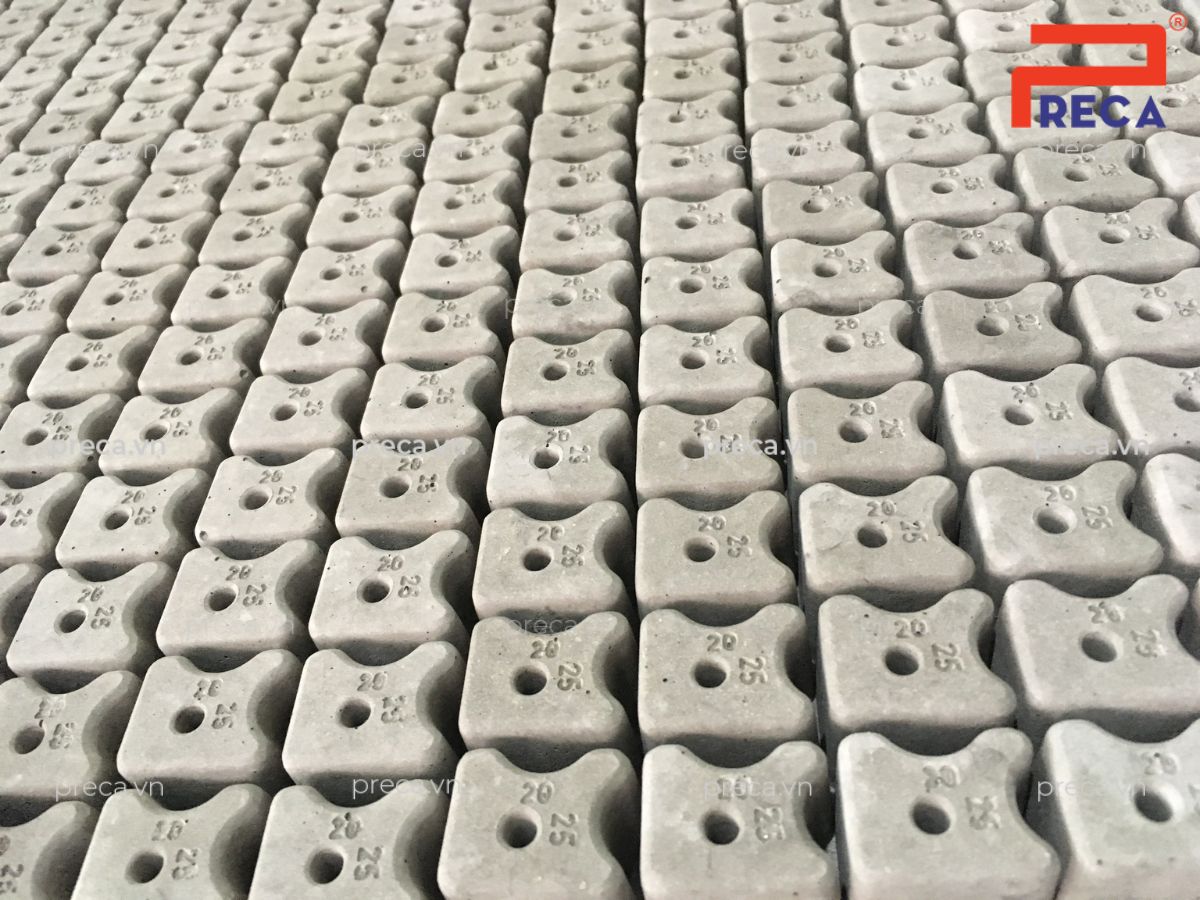
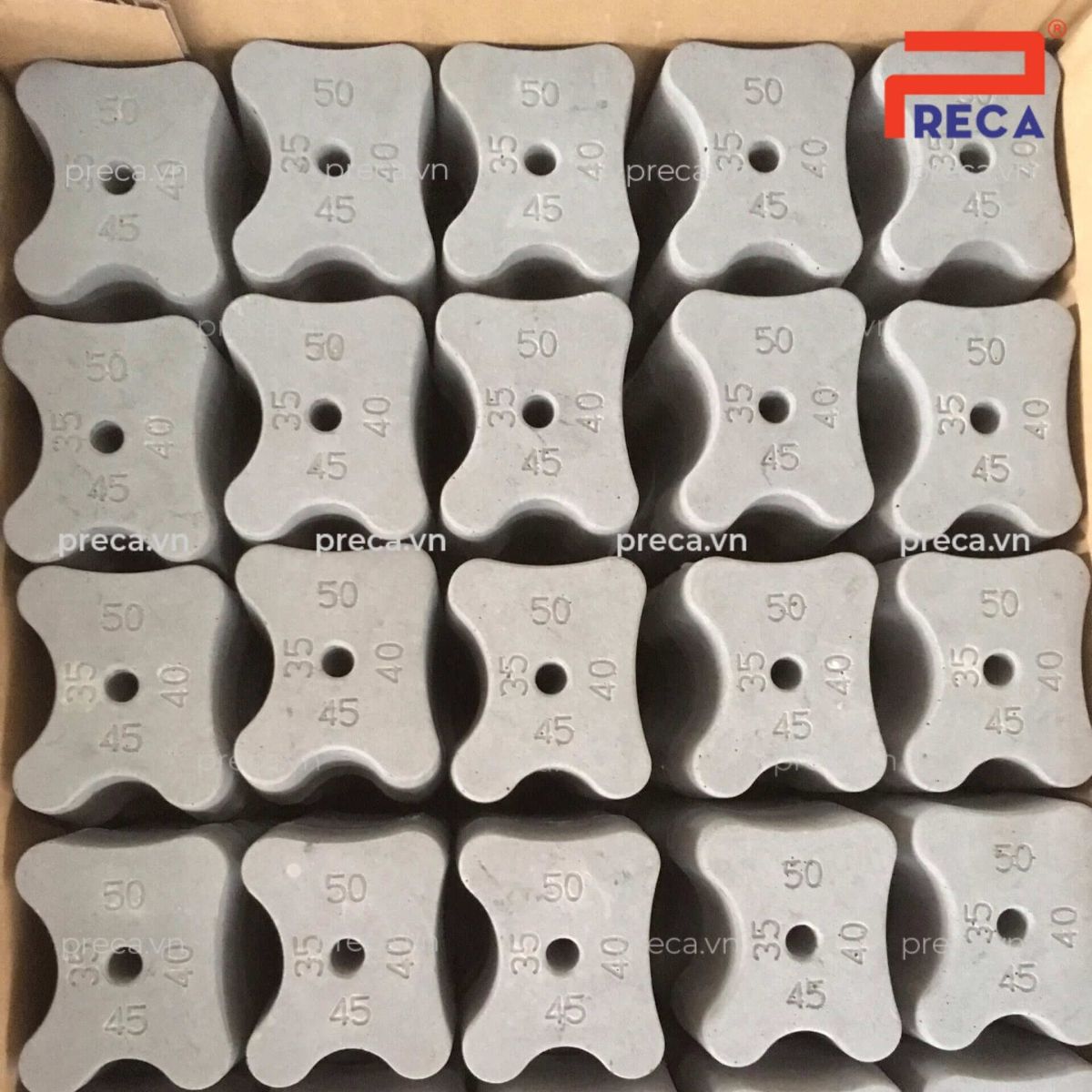
Standard Concrete Spacers: High-grade spacers properly cured in compliant environments often show a thin, natural white powdery film (a natural crystallization process known as efflorescence or carbonation). This confirms that hydration is fully achieved and the concrete has reached proper curing maturity.
-
Substandard Spacers: If the surface is plain dull gray without any micro-crystalline powder, the concrete may have been rushed out of production without sufficient curing time, or the mix ratio (cement, aggregate, water, and additives) fails to meet design specifications.
2. Check the Rebar Clamping Groove Profile
High-performance concrete spacers are engineered with specialized contour grooves designed to lock rebars securely in place:
-
Standard Quality: The groove accurately matches the steel bar diameter, hugging the rebar tightly. This prevents bar slippage during rebar tying, heavy concrete pouring, and high-frequency immersion vibrator compaction, guaranteeing uniform concrete cover across the entire slab, beam, or column.
-
Substandard Quality: Cheap spacers often feature flat tops, shallow depressions, or oversized, loose grooves. Under concrete discharge pressure and vibration, the steel can easily slip off, causing displacement and resulting in insufficient cover depth.

3. The On-Site Acoustic Tap Test
A practical, tool-free field trick widely utilized by seasoned site engineers and foremen:
-
Pick two concrete spacers and tap them firmly against each other.
-
Sharp, metallic, resonant “clink”: Indicates high-density concrete, minimal micro-voids/honeycombing, and a uniform composite matrix.
-
Dull, muffled, hollow “thud”: Indicates high porosity, trapped air voids, poor aggregate bonding, or low cementitious content. These units are prone to fracturing under load.
4. Evaluate Surface Hardness & Compressive Resistance
Surface hardness directly reflects the concrete grade (compressive strength rating, e.g., M30, M40, M50) and durability:
-
High-Grade Spacers: The surface feels extremely solid, dense, and resistant to scratching even when pressed with steel nails or hard edges. They maintain dimensional stability under the weight of rebar cages and construction foot traffic.
-
Low-Grade Spacers: The edges easily chip, crumble into fine dust, or show deep score marks under moderate pressure. Such brittle blocks will crush during concrete casting, compromising the entire cover zone.
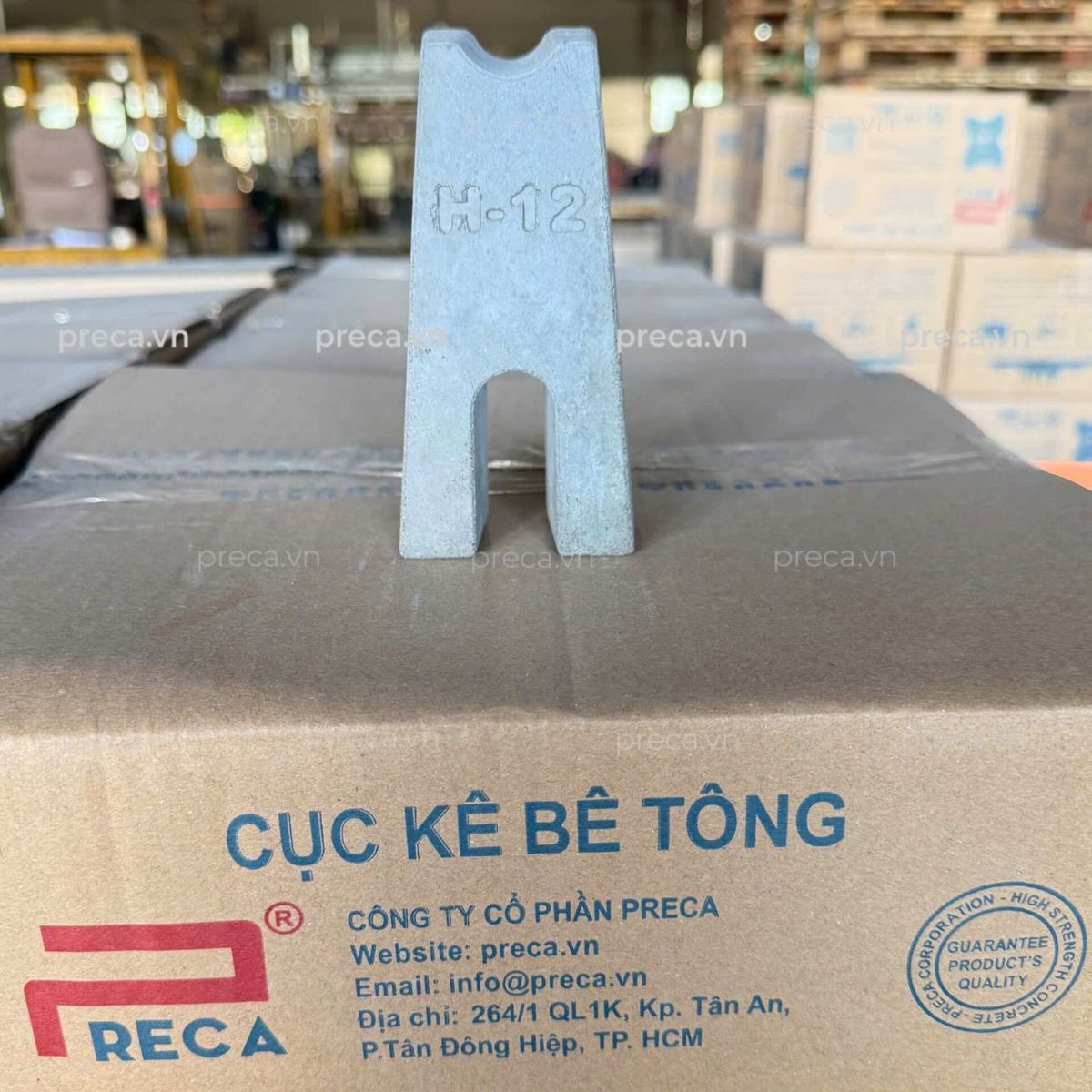
Attempting to shave initial project budgets by using substandard, unverified spacers exposes developers and general contractors to severe long-term liabilities:
-
Compromised Concrete Cover: Inadequate cover exposes rebar to moisture and chlorides, triggering aggressive carbonation and rebar corrosion.
-
Spalling & Structural Shifts: Brittle spacers crack under the weight of wet concrete or vibratory tools, shifting the rebar assembly out of alignment.
-
Hefty Remediation Expenses: Remedying structural spalling or rebar rust downstream costs exponentially more than investing in verified spacers from day one.
Conclusion
By checking surface color (efflorescence), groove precision, acoustic resonance, and surface hardness, you can reliably assess concrete spacer quality right on the construction site in just seconds.
Always select certified precast concrete spacers manufactured in accordance with strict mix design standards to safeguard your project’s structural integrity and longevity.