


Concrete spacer PCA-120C




1. SPECIFICATIONS OF Concrete spacer PCA-120C
2. OVERVIEW – WHAT IS THE 50MM BORED PILE CIRCULAR CONCRETE SPACER PCA-120C?
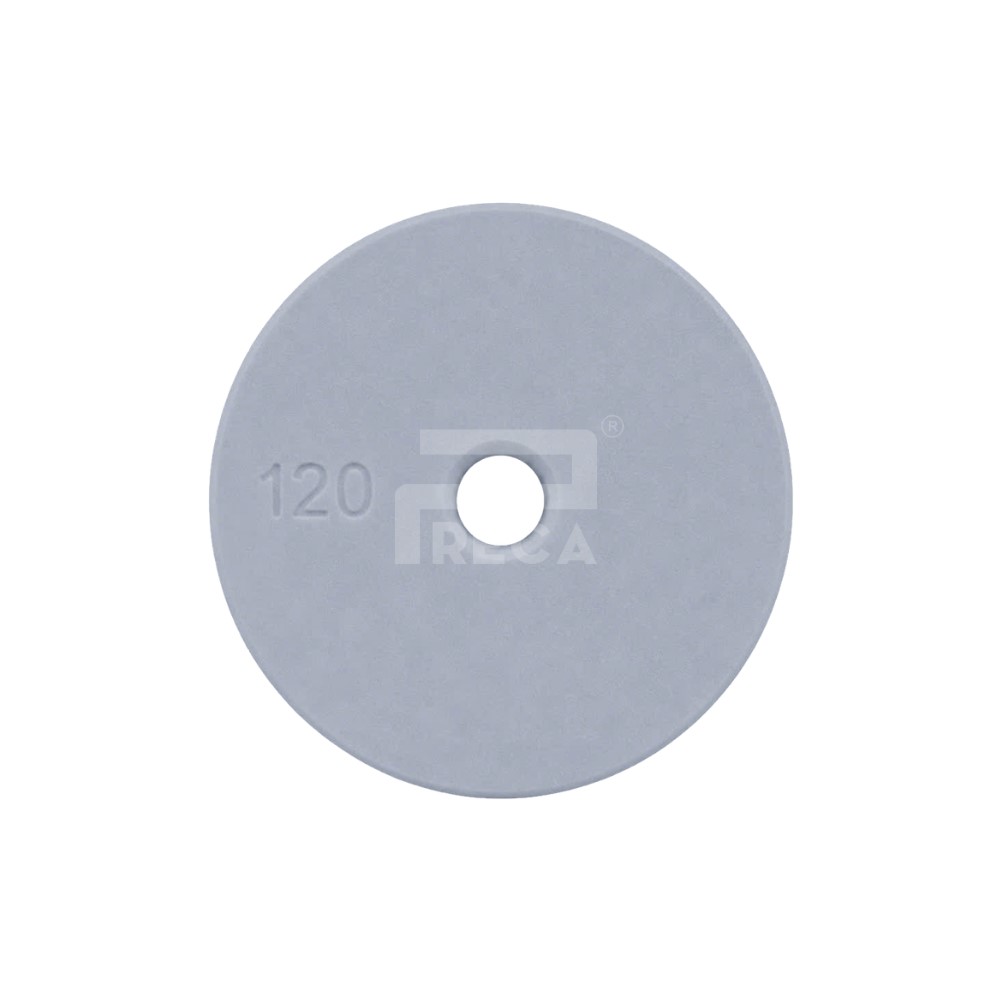
The 50mm bored pile circular concrete spacer PCA-120C is a circular concrete spacer used to maintain the clearance between the rebar cage and the borehole wall or diaphragm wall surface, creating a 50mm protective concrete cover layer. The product is arranged around the perimeter of the rebar cage to help keep the cage in its designed position during hoisting, lowering, and concrete pouring. The distinct feature of PCA-120C is providing a common 50mm protective cover layer for pile cages, while featuring a circular profile that facilitates the movement of the steel cage within the borehole. The circular profile helps reduce the risk of snagging edges as the steel cage moves along the borehole wall; the selection of diameter and cover thickness must be based on the bored pile or diaphragm wall engineering drawings.
3. KEY FEATURES AND STRUCTURE
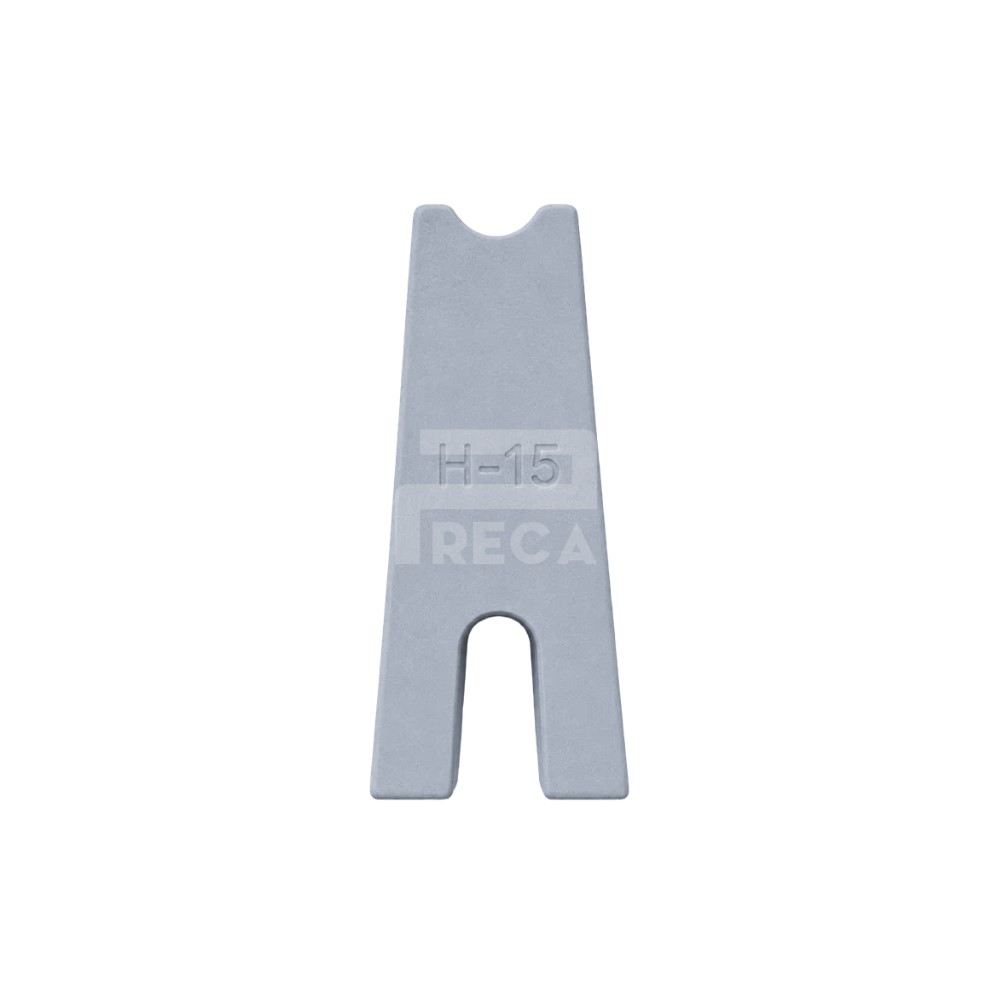
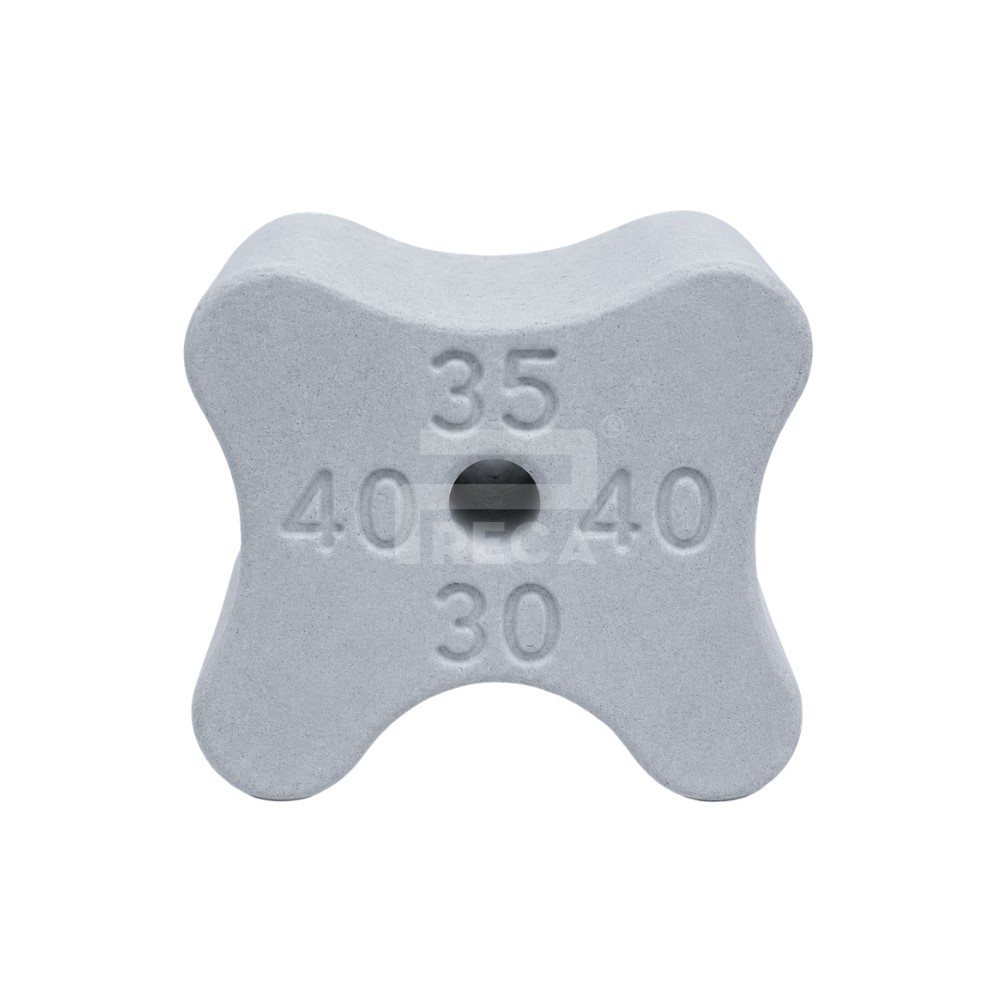
PCA-120C features a wheel-shaped profile with a nominal diameter of 120mm, providing a 50mm protective cover from the rebar to the outer surface. The circular structure distributes contact points along the perimeter and helps minimize friction and snagging while the rebar cage is hoisted and lowered along the borehole wall. The specific suitability of this model lies in providing a common 50mm protective layer for pile cages, while featuring a circular profile that facilitates the movement of the rebar cage within the borehole. The product functions to maintain the centering and spacing of the rebar cage, unlike flat-base spacers used under slabs or H-shaped spacers used between two rebar layers. The spacer body is cast from concrete, featuring a hole or mounting point to secure it to the rebar according to product specifications. During installation, ensure that each spacer operates in the correct orientation, remains free from cracking or breakage, and does not obstruct the cage lowering process. Spacers must be distributed around the perimeter to prevent the rebar cage from tilting or shifting to one side.
4. USER GUIDE
1. Check technical drawings to confirm the 50mm cover requirement, rebar cage diameter, and number of spacer layers. 2. Inspect spacers for structural integrity; attach them to the longitudinal main rebar or secure them according to the cage connection details. 3. Arrange spacers around the perimeter and stagger them along the length of the cage, avoiding concentration on one side. 4. Verify that spacers do not interfere with lifting equipment, do not rotate out of alignment, and will not fall off during hoisting and lowering. The placement density depends on the diameter, length, and rigidity of the rebar cage, borehole conditions, and hoisting methods. Spacers may be reinforced at the top of the cage, splicing positions, lifting points, and areas prone to contact with the borehole wall according to technical instructions.
5. INSPECTION AND QUALITY CONTROL
1. Check technical drawings to confirm the 50mm cover requirement, rebar cage diameter, and number of spacer layers. 2. Inspect spacers for structural integrity; attach them to the longitudinal main rebar or secure them according to the cage connection details. 3. Arrange spacers around the perimeter and stagger them along the length of the cage, avoiding concentration on one side. 4. Verify that spacers do not interfere with lifting equipment, do not rotate out of alignment, and will not fall off during hoisting and lowering. The placement density depends on the diameter, length, and rigidity of the rebar cage, borehole conditions, and hoisting methods. Spacers may be reinforced at the top of the cage, splicing positions, lifting points, and areas prone to contact with the borehole wall according to technical instructions.

QL1K, Tan Dong Hiep, Ho Chi Minh City
33 Dong Da, Quy Nhon, Gia Lai